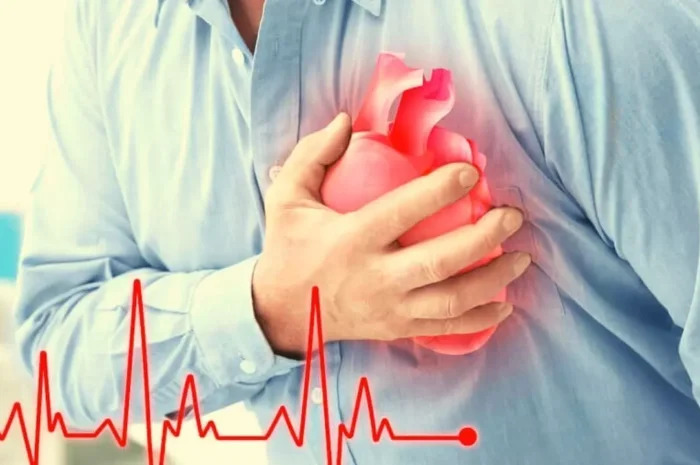
Heart Attack Issue in India
Rising Concern of Heart Attacks Among Young Individuals in India
In recent years, India has witnessed a significant and alarming increase in cases of heart attacks among young individuals. The situation appears to have intensified further after the COVID-19 pandemic, with a growing number of reports involving sudden cardiac arrests and unexpected deaths among otherwise active and seemingly healthy people.
What was once considered a rare medical occurrence among younger age groups has now emerged as a major public health concern. Increasingly, families are facing the shock and tragedy of sudden heart-related emergencies affecting individuals in their 20s, 30s, and 40s.
One of the most serious challenges is the lack of awareness regarding underlying cardiac conditions and lifestyle-related health risks. Many people remain unaware of silent heart disorders, stress-related complications, high blood pressure, cholesterol issues, or post-viral health effects until a medical emergency occurs. Delayed diagnosis and lack of timely treatment often result in severe consequences, including loss of life.
Apart from the emotional and psychological trauma, heart-related emergencies also create a substantial financial burden on families due to hospitalization, surgeries, intensive care treatment, medications, and long-term medical management.
This growing health crisis highlights the urgent need for greater public awareness, regular health screenings, preventive healthcare measures, and timely access to quality medical treatment. Collective social support and accessible healthcare assistance can play an important role in helping families manage both the medical and financial challenges associated with serious cardiac conditions.
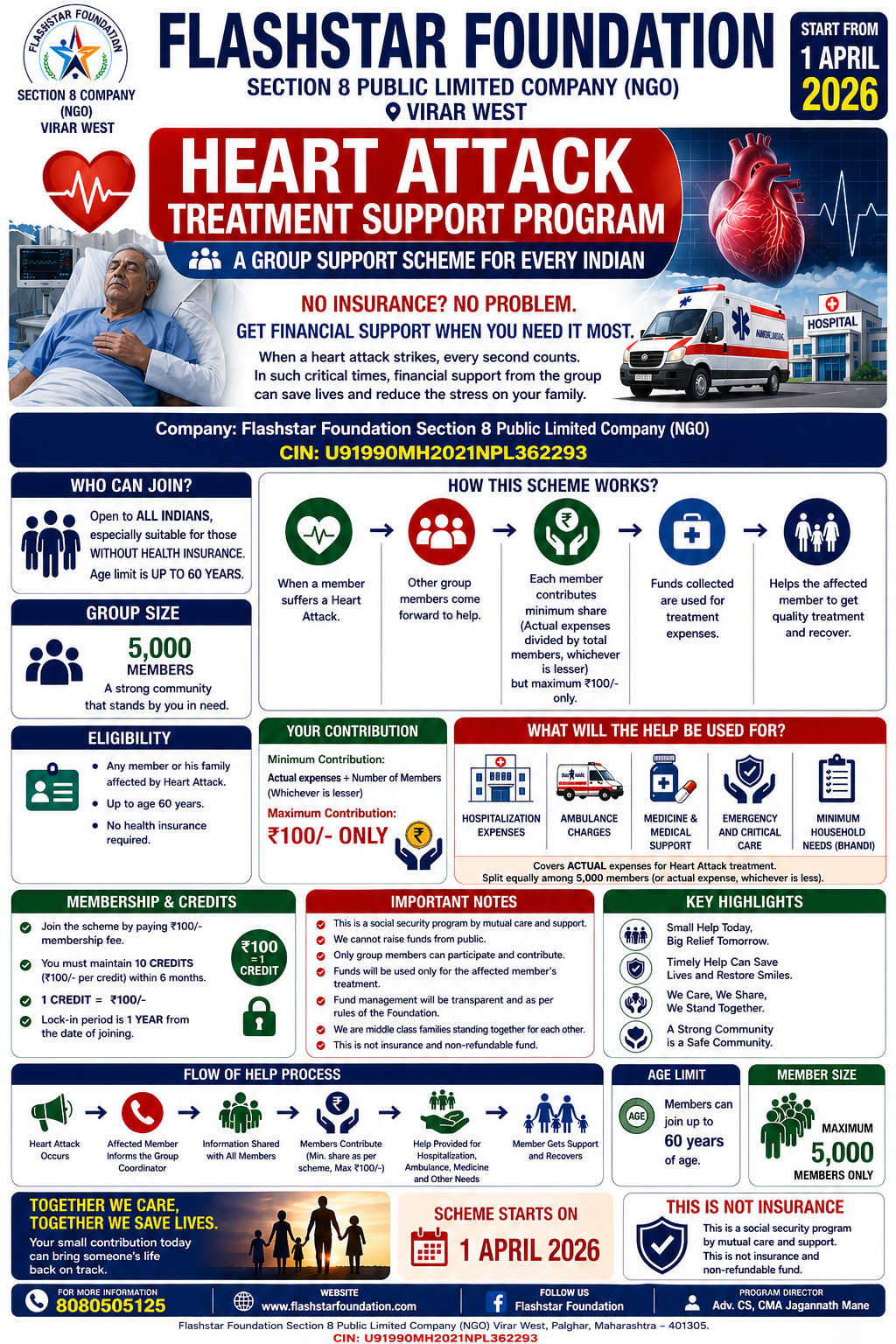
Addressing the Growing Heart Health Crisis
To effectively tackle the increasing incidence of heart attacks and serious cardiac conditions, two key approaches are essential:
Building a Strong Financial Support System for Treatment
Heart attack treatment and cardiac care can involve substantial medical expenses, including emergency hospitalization, angioplasty, bypass surgery, intensive care, medications, rehabilitation, and long-term follow-up treatment.
For many middle-class families, arranging immediate funds during such emergencies becomes extremely difficult. Establishing a strong and reliable financial support system can help ensure that no individual is denied timely medical treatment due to financial limitations. A community-driven assistance platform can play a vital role in reducing the financial burden and providing critical support during life-threatening situations.
Promoting Preventive Healthcare and Early Diagnosis
Prevention and early detection are equally important in reducing the risk of heart-related illnesses. Regular health check-ups, cardiac screenings, lifestyle management, stress control, and awareness about warning symptoms can significantly improve early diagnosis and treatment outcomes.
Timely medical intervention can save lives, reduce complications, and lower long-term healthcare costs. Encouraging preventive healthcare practices and increasing awareness among the public are essential steps toward building a healthier and safer society.
A Practical Community-Based Solution: The “Heart Health Support Group”
To address the growing challenge of heart-related medical emergencies in a practical and sustainable manner, we propose the creation of a community-driven Heart Health Support Group based on the principles of preventive healthcare, collective responsibility, and mutual financial support.
Annual Preventive Health Check-Ups
Under this initiative, all group members — comprising approximately 10,000 individuals — will be encouraged to undergo regular annual heart health screenings and preventive medical check-ups.
The objective of these health screenings is to:
- Detect potential cardiac risks at an early stage
- Promote awareness about heart health and lifestyle management
- Encourage preventive healthcare practices
- Reduce the likelihood of sudden cardiac emergencies through timely diagnosis
Efforts will be made to keep these screenings affordable and accessible for all members, helping individuals take proactive steps toward maintaining long-term heart health.
Emergency Financial Assistance During Critical Situations
In the unfortunate event that a member suffers a heart attack or requires emergency cardiac treatment or surgery, the programme will activate a collective contribution mechanism.
Under this model:
- Every group member contributes a small amount of up to ₹100 only during genuine medical emergencies.
- The pooled contributions create an emergency medical assistance fund capable of providing substantial support to the affected member.
- With a community of 10,000 members, financial assistance of up to approximately ₹10 lakh may be arranged for eligible treatment cases, subject to programme guidelines and actual medical expenses.
This collective support system helps reduce the financial burden on families during critical moments while ensuring that timely medical treatment is not delayed due to lack of funds.
A Model Built on Prevention, Support, and Community Care
The Heart Health Support Group combines preventive healthcare with financial assistance, creating a compassionate and practical social security framework where community members support one another during medical emergencies.
Through unity, awareness, and collective participation, this initiative aims to save lives, reduce financial stress, and build a healthier and more secure future for families across India

Age-Wise Risk Assessment and Heart Attack Prevention Initiative
To address the increasing incidence of heart attacks and promote timely preventive healthcare, we propose a structured Age-Wise Risk Assessment and Heart Health Prevention Initiative.
Under this model, a community group of approximately 10,000 members will be systematically categorized based on age groups and associated cardiac risk levels. This structured approach enables focused monitoring, targeted awareness, and age-specific preventive healthcare measures for all participants.
Purpose of the Initiative
The primary objective of this programme is to:
- Identify potential heart-related risks at an early stage
- Encourage regular health screenings and preventive care
- Promote awareness regarding lifestyle-related cardiac disorders
- Facilitate timely medical intervention and treatment
- Reduce the occurrence of sudden cardiac emergencies and preventable deaths
Structured Age-Based Health Monitoring
Different age groups face different levels of cardiac risk. By categorizing members according to age and health profiles, the programme can provide more relevant guidance regarding:
- Frequency of health check-ups
- Recommended diagnostic screenings
- Lifestyle and dietary management
- Stress management and fitness awareness
- Early warning signs of heart disease
This proactive approach helps individuals better understand their health condition and take corrective measures before complications arise.
Preventive Healthcare Through Community Participation
The initiative is designed to combine preventive healthcare with collective social support. Members become part of a health-conscious community that encourages regular monitoring, awareness, and mutual assistance during medical emergencies.
By emphasizing prevention, early diagnosis, and timely treatment, the programme aims to create a healthier and safer environment where individuals can manage cardiac risks more effectively while reducing both emotional and financial stress on families.
Age-Wise Group Classification and Heart Risk Levels
To ensure effective preventive healthcare and timely medical intervention, members of the Heart Health Support Programme are categorized into different age groups based on their potential cardiac risk levels. This structured classification helps in providing age-appropriate guidance, regular monitoring, and preventive care.
Age Group: 21 to 35 Years
Risk Level: Low
Characteristics
Individuals in this age group are generally considered to have a comparatively lower risk of heart attacks and serious cardiac conditions. However, modern lifestyle factors such as stress, unhealthy eating habits, lack of physical activity, smoking, alcohol consumption, obesity, and irregular sleep patterns can contribute to the early development of heart-related problems.
Focus Areas
- Promoting healthy lifestyle habits and preventive healthcare awareness
- Encouraging regular exercise and physical fitness
- Promoting balanced nutrition and stress management
- Conducting annual basic health screenings and routine medical check-ups
- Identifying early warning signs and lifestyle-related health risks
Age Group: 35 to 50 Years
Risk Level: Medium
Characteristics
Individuals in this age group often experience increased professional responsibilities, mental stress, sedentary lifestyles, and early age-related cardiovascular changes. These factors gradually increase the likelihood of hypertension, diabetes, obesity, and other cardiac risk factors.
Focus Areas
- Regular monitoring of blood pressure, cholesterol, and blood sugar levels
- Encouraging weight management and healthy lifestyle modifications
- Periodic cardiac evaluations and preventive consultations
- Increasing awareness regarding symptoms of heart disease and stress-related health issues
Age Group: 51 to 60 Years
Risk Level: High
Characteristics
The risk of heart attacks and cardiovascular complications increases significantly in this age group due to aging, hereditary factors, long-term lifestyle impact, and existing medical conditions such as hypertension or diabetes.
Focus Areas
- Comprehensive cardiac evaluations and advanced health screenings
- ECG, stress tests, and detailed cardiac assessments at regular intervals
- Monitoring and management of chronic medical conditions
- Encouraging medication compliance and regular medical follow-ups
- Promoting healthier lifestyle habits to reduce cardiac complications
Age Group: Above 60 Years
Risk Level: Major
Characteristics
Individuals above 60 years of age are considered to be at the highest risk for heart-related illnesses due to age-related degenerative changes, weakened cardiovascular health, and multiple existing medical conditions.
Focus Areas
- Frequent and detailed cardiac monitoring and specialist consultations
- Timely access to emergency medical care and advanced treatment facilities
- Continuous monitoring of existing health conditions and medications
- Ensuring proper medication adherence and preventive care support
- Providing awareness regarding emergency symptoms and immediate response measures
Building a Preventive and Supportive Healthcare Community
This age-wise classification system enables the programme to provide targeted preventive healthcare, promote early diagnosis, and encourage responsible health management among all members.
By combining awareness, regular screenings, preventive care, and collective support, the initiative aims to reduce the growing risk of heart-related illnesses while helping individuals and families lead healthier and more secure lives.
Preventive Measures and Care Framework
Mandatory Annual Health Check-Ups:
Each member will undergo mandatory age-specific health screenings to identify risk factors early.Awareness Campaigns:
Educational programs to inform members about lifestyle modifications, warning signs, and emergency response.Emergency Assistance Plan:
A financial aid system to support individuals requiring urgent treatment, ensuring affordability and access to care.
Why This Initiative Matters
Heart attacks and serious cardiac emergencies often occur suddenly and without warning, making early preparedness and timely medical support extremely important. In many cases, delayed diagnosis, lack of preventive healthcare, or financial limitations can lead to severe consequences for individuals and families.
The proposed Heart Health Support Group is designed to address these challenges by combining preventive healthcare awareness with a community-based financial assistance system. This initiative helps members gain access to regular health monitoring, early risk assessment, and emergency financial support during critical medical situations.
By encouraging annual health screenings, preventive care, and collective responsibility, the programme aims to reduce the growing burden of heart disease while promoting a healthier and more informed society.
Key Benefits of the Initiative
- Encourages early diagnosis and preventive healthcare
- Promotes awareness about heart-related risks and healthy lifestyles
- Provides community-based financial support during medical emergencies
- Reduces the financial burden associated with cardiac treatment
- Creates a strong network of mutual care and social responsibility
- Helps families access timely medical treatment without unnecessary delay
Building a Healthier and More Secure Future
This initiative is more than a healthcare support programme — it is a movement toward building a compassionate and responsible community where people stand together during medical emergencies.
Together, we can create a society where timely diagnosis, preventive healthcare, and access to life-saving treatment are not limited by financial capability, but are made accessible through collective participation, awareness, and shared support.
Let us take a meaningful step toward making heart health a priority for every family.
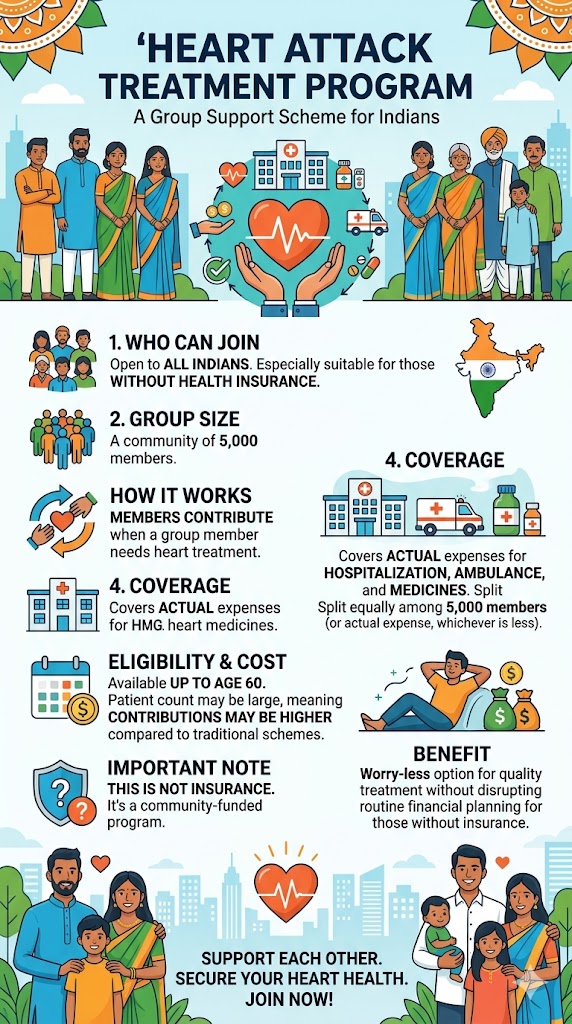
FAQs on Heart Attack Cases in India
During a heart attack, taking an aspirin may be beneficial because it keeps the clot from becoming larger, allowing the body to break down the blood clot.
Heart attacks can occur in people due to factors such as sedentary lifestyle, unhealthy dietary habits, and high blood pressure.
Young individuals are more likely to suffer heart attacks due to sedentary lifestyles, inadequate nutrition, elevated stress, smoking, and underlying medical issues; these factors highlight the significance of preventative actions.
Yes, although uncommon, a 25-year-old can have a heart attack. Genetic factors, unhealthy lifestyle choices, substance abuse, and underlying medical conditions may contribute to cardiac issues at a young age.
The majority of heart attacks are characterised by left or central chest pain that either lasts for several minutes or periodically returns.
No, checking heart blockage at home is not possible. Diagnostic tests such as angiography, CT scans, or echocardiograms are required, and these should be performed by medical professionals.